
How Long Should it Take for Leaves to Regrow?
Posted
March 27, 2026
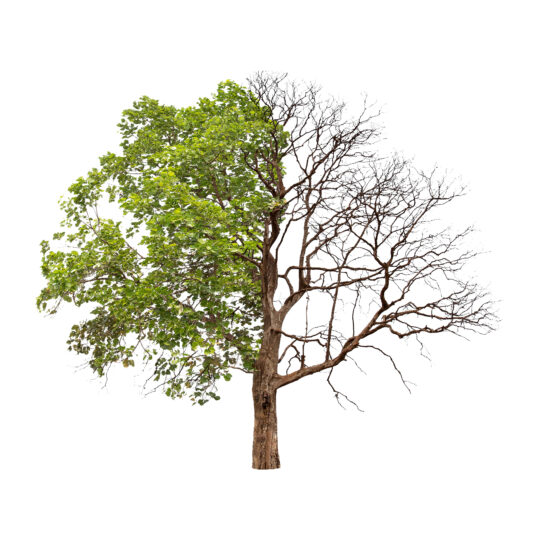
After a cold, dormant winter, some trees regrow their leaves in the spring. You may start to see some signs of budding as soon as the weather starts to warm. But how long should it take for leaves to regrow? And what should you do if they don’t?
Consider these factors to determine how long it usually takes for leaves to grow back:
- Species. Different plants have varying timelines and growth rates.
- Season. Optimal conditions in the spring and fall can accelerate growth.
- Health. Leaves grow slower if the plant is stressed.
- Moisture. Proper hydration prevents drought stress.
- Nutrients. Sufficient nitrogen and minerals fuel growth.
- Environment. Adequate light, water, and nutrients can affect regrowth.
- Pruning. How and when branches are removed can impact plant health and regrowth.
- Age. Young plants often grow leaves faster than more established ones.
Whether your plant is an early or late bloomer, there is a point at which it should grow its leaves and/or flowers back. How and when this happens could indicate whether your plant is healthy or not.
Causes of Regrowth
Seasonal changes trigger leaves to fall and regrow. In the spring, warmer temperatures and a increase in daylight initiates new buds to form and leaves to pop. Timing can depend on where you live. The warmer the climate, the sooner the leaves appear. But there’s also variations in the tree species, even if the trees are in the same region. Birch, willow, magnolia, cherry, and crabapple trees are typically early bloomers. Oak, ash, beech, hickory, and elm may not leaf-out until later in the season. Then there are evergreens that retain their leaves year-round and follow different growing cycles.
Signs of Healthy & Problematic Growth
As the weather warms, look for these signs of healthy regrowth:
- Plump, green buds
- Gradual emergence
- New leaves that don’t curl or wilt
- Full leaf canopy within eight weeks of first buds opening
If you don’t notice any buds and the leaves don’t grow back by late spring, there could be an underlying problem.
- Root, trunk or branch injury
- Improper pruning
- Disease or pests
- Compacted soil
- Nutrient deficiencies
- Insufficient sunlight
If you’re worried about a certain tree and its lack of leaves, consult an arborist for a professional assessment. Bare trees may be dead and require removal. But the right treatment could help get trees back on track.
Download Your FREE Tree Removal Guide
Even dedicated DIYers should think twice before taking on the task of tree removal. Our guide will help you decide whether to hire a tree service and how to get the most value for your money.