How to Treat Plants Once the Snow Melts


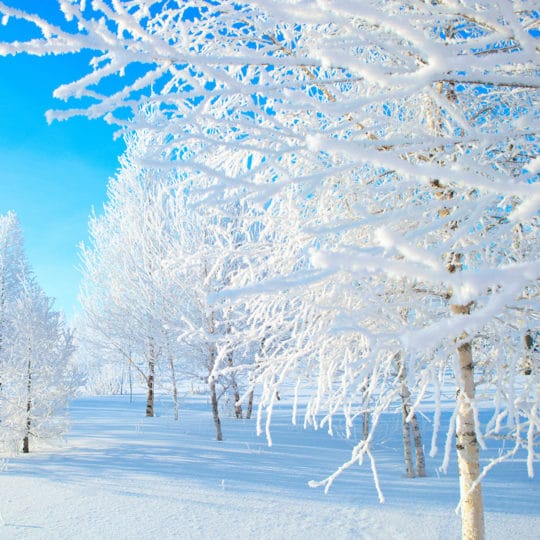
snowy trees

The east coast was hit with multiple heavy snow storms this winter. Now that we’ve got a glimpse of spring, the next thing to watch for is how our plants have fared. Here are some tips for treating plants post snow and what to do if they seem in distress.

Treating Plants Post Snow Storm

Even though a blanket of snow may look pretty across your lawn, it could be damaging your landscape. However, trying to save your trees from heavy snow may backfire if done incorrectly.

  1. After the snow stops, assess any damage. While a few broken twigs or damaged foliage shouldn’t hurt a perennial, larger broken limbs need to be dealt with sooner than later.
  2. It’s better to steer clear of hazardous limbs and any downed wires and leave the cleanup to a professional.
  3. If you notice branches on shrubs or small trees are being bent, try to lightly brush the lower branches upward to alleviate some weight.
  4. Leave any icy or frozen snow alone to melt naturally, as trying to remove this could damage the branch even more.
  5. Don’t worry about mature trees. Not only can they take more weight, but it’s less safe to work on due to their large size.
  6. Since perennials should still be dormant in the winter, they should have no problem regrowing in spring. But any broken branches should be properly pruned for healthy regrowth.

If you’re worried about certain plants, there are ways to help prevent extensive snow damage.

How to Prevent Snow From Damaging Plants

While these measures should be implemented in the late fall, it’s good to keep them in mind, especially if you have delicate plants that didn’t make it through this winter.

  • Plant cold-hardy and wind-resistant trees and shrubs.
  • Properly prune plants to maintain a healthy structure.
  • Keep plants and trees well watered in fall.
  • Add a few inches of organic mulch in the fall to give plants and roots better resistance to cold damage.
  • Stop pruning and fertilizing in late summer since this can stimulate new growth that may not be sufficiently hardened off before winter.
  • Protect delicate branches with tree wraps.

Even if you missed some of these important winter prep tasks, there are still ways to help your plants recover from snow damage.

Helping Plants Thrive After the Snow Melts

While a light dusting of snow isn’t likely to do much damage to plants and your lawn, a blanket of snow that covered your landscape for most of the winter may reveal some issues come spring. Here’s how to help your yard survive.

  • Remove debris and dead leaves from around the plants to promote airflow.
  • Look for signs of mold in the garden and grass and treat accordingly. Don’t leave infested leaves as mulch.
  • Check the soil moisture and water once it feels dry to the touch.
  • Apply a layer of mulch to retain moisture and regulate soil temperature.
  • Fertilize with a balanced, slow-release fertilizer to provide essential nutrients.
  • Monitor for pests and diseases, treating any issues promptly.

With a little time, attention, and recovery tips, you can minimize snow damage and ensure that your lawn and plants bounce back in spring.